There's a reason people love hands-on treatment. You walk in stiff and sore, and you walk out feeling looser, lighter and more like yourself.
But there's also a lot of confusion about what's actually happening when a physio works on your neck or back. You might have been told your spine was "out", your pelvis was "crooked", or a knot needed to be "broken up". These explanations are common, easy to picture and mostly not completely true.
Here's what hands-on treatment really does, what it doesn't, and why that matters for getting better.
What counts as hands-on treatment?
"Hands-on" or "manual therapy" is an umbrella term. It can include:
- Soft tissue massage of the muscles and surrounding tissues
- Joint mobilisation: slow, gentle, repeated movements of a joint
- Manipulation: a quick, small thrust to a joint, sometimes with a "click"
- Trigger point and pressure techniques applied to tender spots
- Dry needling, using fine needles in sensitive areas of muscle
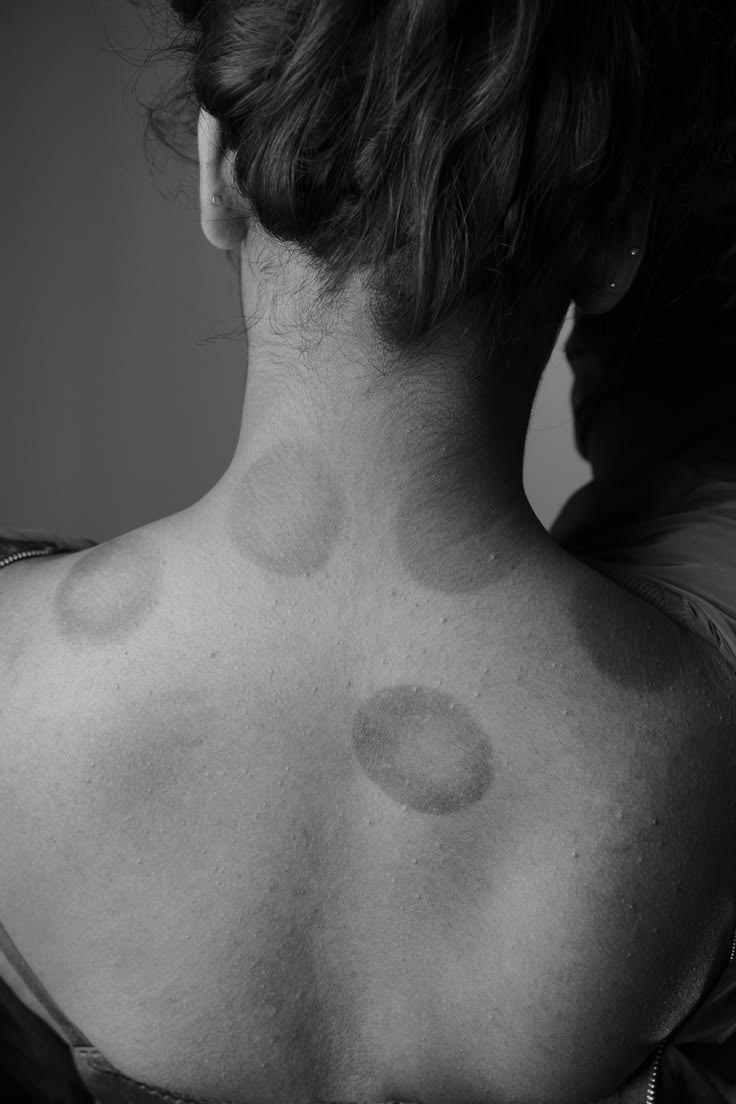
- Cupping, using suction cups that gently lift the skin and underlying tissue. The round marks it can leave are a form of bruising, not toxins being drawn out
The techniques look quite different, but they seem to work in similar ways.
What it does
To understand how hands-on treatment works, it helps to know a little about pain. Pain is produced by the nervous system to protect you. It doesn't directly correlate with damage. Hands-on treatment works largely through that system.
- It can calm a sensitised area. Touch and movement send new, non-threatening information to the nervous system. This can reduce sensitivity in the area, often within minutes.
- It eases protective muscle guarding. When an area feels threatened, nearby muscles tense up to protect it. Gentle input can help them relax.
- It helps you move more freely. Less pain and guarding usually means more comfortable movement.
- It reassures. Feeling a body part move without pain can be a powerful message that it's safe to use.
The key point is that these effects are real but usually short-term. They last hours to days, but not forever.
What it doesn't do
- It doesn't put anything "back in place". Spinal joints are held firmly by strong ligaments. They don't slip out with everyday movement, and a physio's hands can't meaningfully reposition them.
- That "click" isn't a bone going back in. It's a small gas bubble forming in the joint fluid when pressure changes, the same thing that happens when you crack your knuckles.
- It doesn't permanently break up "knots". Tender spots in muscles are areas of increased sensitivity, not physical lumps to be dissolved. They often settle with treatment, but they can return if the things driving them don't change.
- It doesn't stretch or reshape your fascia. The forces needed to permanently change connective tissue/fascia are far greater than any hands can apply.

Why it works best with exercise
Think of hands-on treatment as opening a window. For a few hours or days, things hurt less and move more easily. What you do with that window is what drives lasting change.
Research consistently shows better results when manual therapy is combined with exercise, rather than used on its own. Exercise builds strength, tolerance and confidence in ways that can last. Changes to your daily habits, like taking regular movement breaks at your desk, also help stop the problem from building up again.
In short, hands-on treatment can help you feel better instantly. Exercise and habit changes help you stay better long-term.
How we use it at Reset Physiotherapy Brunswick
At Reset Physio, a lot of our focus is on hands-on treatment. Skilled manual therapy is often what helps people feel some relief early on, especially with neck pain and headaches.
But we'll always be honest about what it's doing. In practice, that means:
- Using hands-on treatment to ease pain and get you moving, not to "fix" something that's out of place
- Pairing it with a short, realistic exercise plan you can fit around your workday
- Looking at the things that keep the problem going, like long screen sessions, stress or sleep
- Aiming to space out your appointments as you improve, so you're not reliant on us
If you've had hands-on treatment before and wondered why the relief didn't last, that's not a failure on your part or your body's. It was never meant to do the job on its own. Used well, it's a great starting point, but not the whole plan.